


Music is an art form in its own right, but Carnatic music takes that a step further by binding it to the culture and history surrounding the music. The origins of Carnatic (or classical) music can be traced back to the Vedas in the religion of Hinduism. The rules of Carnatic music and compositions themselves are taught from a guru (teacher) to a shishya (student) in person.
Carnatic music is often associated with the southern part of India, while Hindustani music is frequently matched with the northern region. It should be noted that Carnatic music is more structured than Hindustani music, given its organization of raagas (improvised melodic frameworks) into melakarthas (fundamental musical scales). Carnatic music’s raaga elaborations are generally much faster in tempo than their Hindustani counterparts, but both have similar musical improvisation. The main difference lies within the implementation: Hindustani music is constrained to a limited number of raagas and prioritises vocals more than instruments, encouraging ensembles and numerous instruments while Carnatic music spans 72 different raagas while focusing on a single style of vocals, prioritising vocals and instruments equally.
The Fathers of Carnatic Music
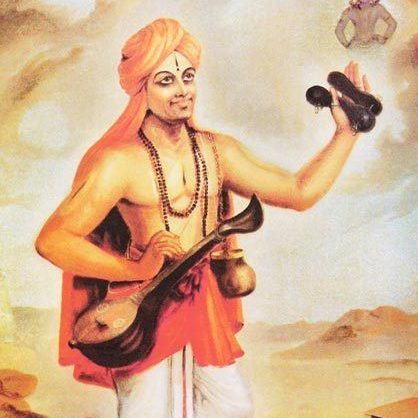
Purandara Dasa
Vocalist & Poet / Karnataka / 1484-1564
Purandara Dasa succeeded Annamacharya and became the “father” of Carnatic music, establishing the several elements associated with the music form (such as thalam and geetham). Using more than twenty-five unique raagas for his numerous compositions, he laid the foundation for the beautiful art form that Swaramela Kalanidhi would later elaborate on during the 16th century.
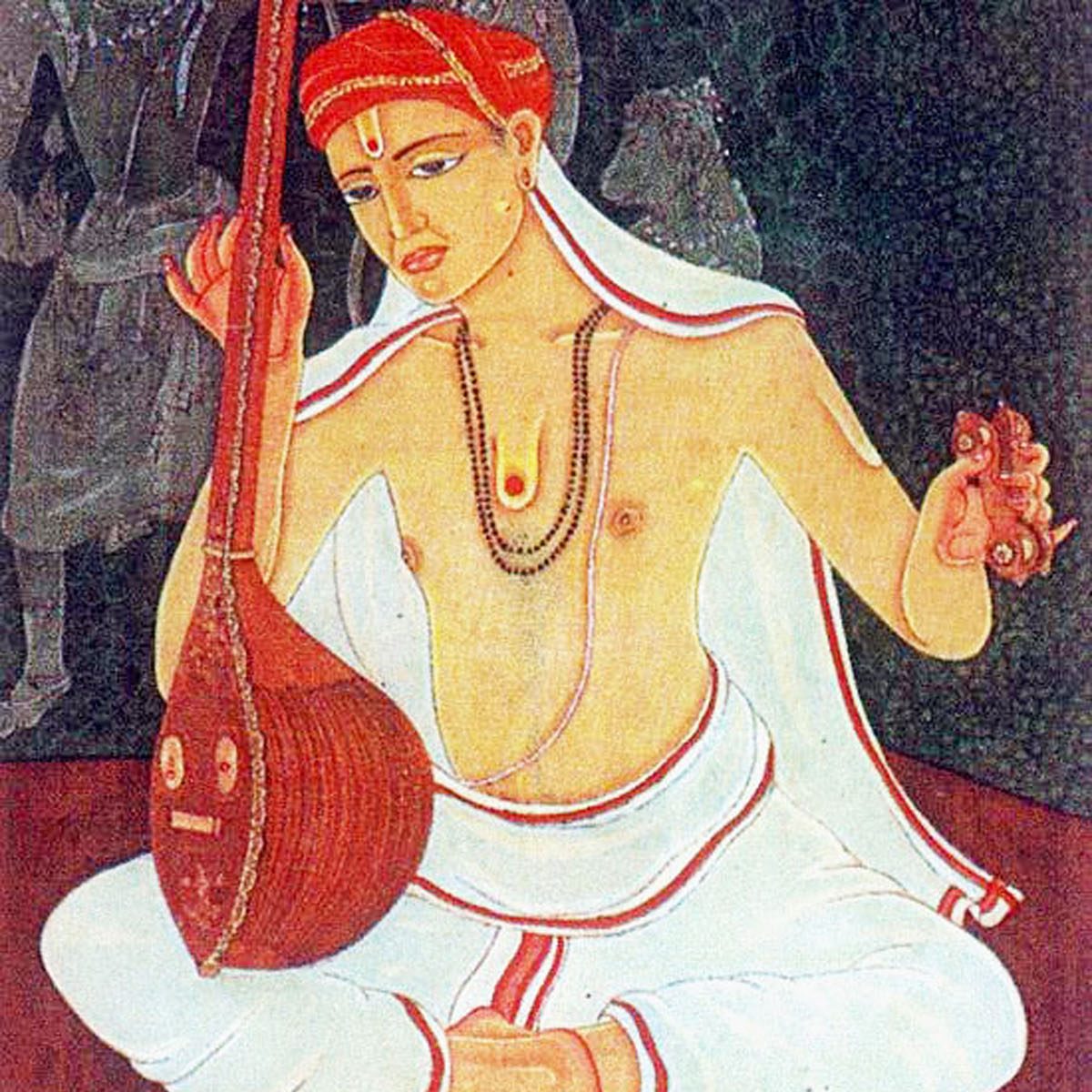
Thyagaraja
Vocalist & Poet / Thiruvarur / 1767-1847
Thyagaraja began composing music at the early age of thirteen, his focus only on Lord Rama. Through the course of his life, he dedicated every moment to composing melodies that praised the seventh incarnation of Vishnu, spanning over 800 songs honouring the deity. His chief contribution to Carnatic music would involve the influence use of sangati, which would be prevalent in his magnum opus – the Pancharathna Kritis (more commonly referred to as the “Five Gems”).
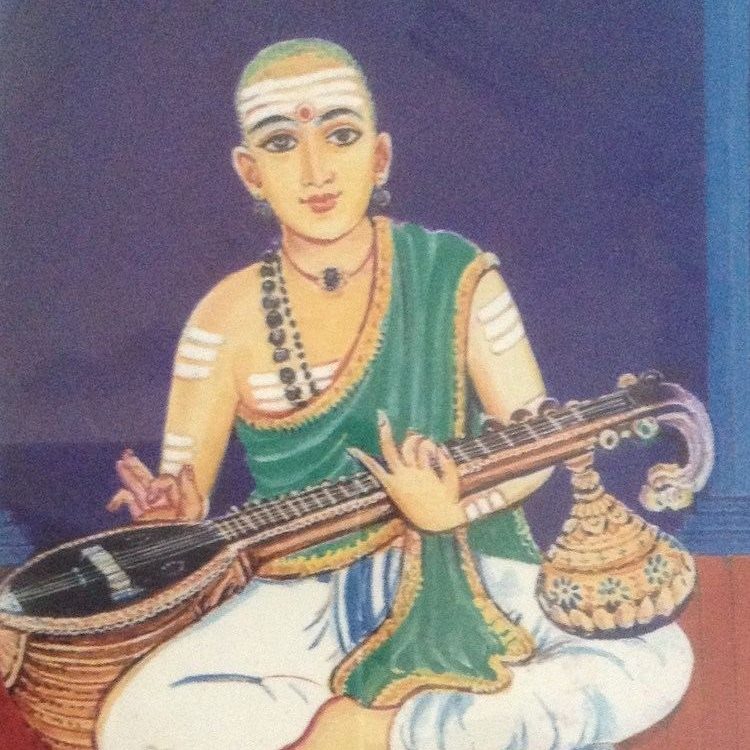
Muthuswami Dikshitar
Vocalist & Poet / Thiruvarur / 1776-1835
A pillar of the “Trinity of Carnatic Music” alongside Thyagaraja and Shyama Sastri, Muthuswami Dikshitar spent his life composing hundreds of songs, from which an extensive five hundred would go on to continue influencing the musical form. His compositions consisted of articulate descriptions of the Hindu gods and enthralled its listeners due to its slower pace and emphasis on gamakas (citation). His rise to fame was complemented by his excellence with the veena, which he typically coupled with his compositions.
Shyama Sastri
Vocalist & Poet / Thiruvarur / 1762-1827
Shaping Carnatic music alongside Thyagaraja and Muthuswami Dikshitar, Shyama Sastri devoted his life to the goddess Kamakshi as he composed works with a new rendition on swarajithis. While he did not have as many compositions as his fellow composers in the “Trinity”, his music was the audiospatial form of a dance form that could be sung or played instrumentally, and would go on to be titled Ratnatrayam.
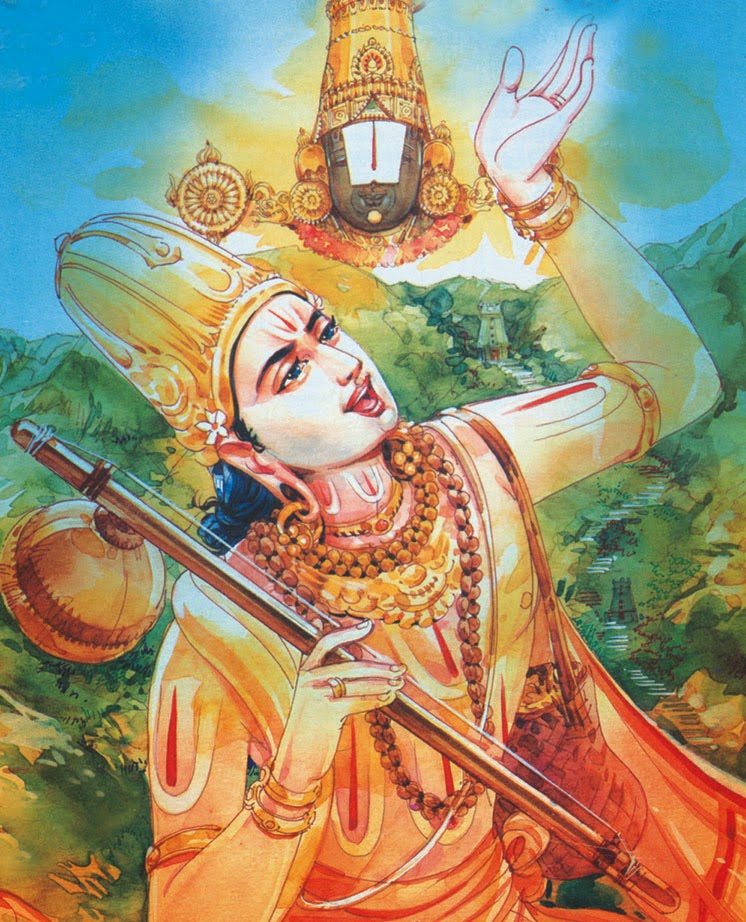
Annamacharya
Composer & Poet / Tallapaka / 1408-1503
Annamacharya, a composer commonly known as Annamayya, was the earliest known Indian musician to compose songs called samkirtanas. His devotional samkirtanas were in the praise of Venkateswara, a form of Vishnu. The musical form of the kirtana songs that he composed, which are still popular among Carnatic music concert artists, have strongly influenced the structure of Carnatic music compositions. His compositions are classified as Adhyatma (spiritual) and Sringara (romantic). Annamacharya is remembered for his saintly life, as one of the greatest musicians and is honoured as a great devotee of Vishnu by devotees and saintly singers. Annamayya is said to have composed as many as 32,000 samkirtanas (songs) on the praise of Venkateswara of which only about 12,000 are available today. He is also the author of musical treatise called “Samkirthana Lakshanamu”.
 Carnatic Vidyalaya